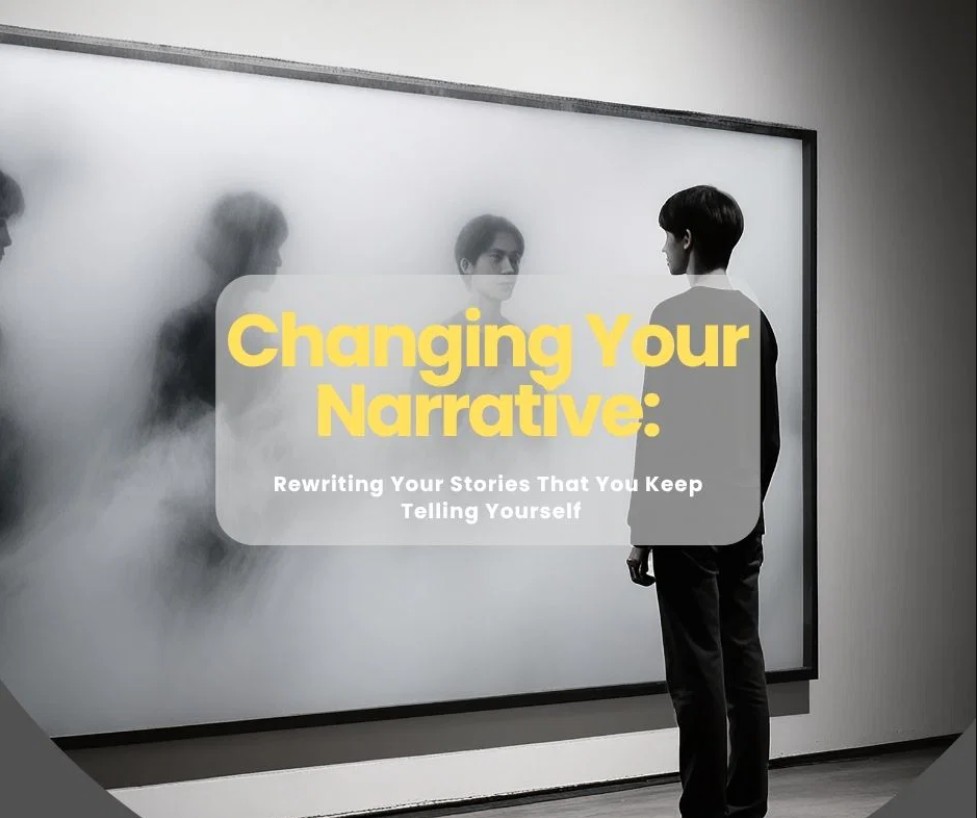
Changing Your Narrative: Rewriting Your Stories That You Keep Telling Yourself
Changing Your Narrative is key to letting go of shame, old stories, and self-blame, helping your ADHD brain reframe thoughts and remember wins. Packed with exercises to turn overwhelm and self-criticism into growth, clarity, and self-compassion.

Ellie Bullock
11 chapters
28 lessons
Course Details
Re-writing Your Narrative
Discover why your ADHD brain notices the negative first—and why the good moments often slip away. This workbook unpacks how negativity bias, weak working memory, emotional sensitivity, and rejection sensitivity shape your thoughts, memories, and decisions.
Through a mix of science, personal reflection, and practical exercises, you’ll explore:
Why small setbacks feel enormous and criticism lingers far too long
How your ADHD brain rewires patterns of thinking, attention, and emotion
The impact of “big T” and “little t” traumas on self-esteem and relationships
Why your brain chases interest, curiosity, and emotional engagement more than deadlines or rules
How to stop replaying conversations, catastrophizing, and feeling trapped in negative loops
Ways to reframe experiences, remember successes, and rebuild self-compassion
Packed with journaling exercises, self-reflection prompts, and step-by-step strategies, this workbook helps you:
Understand your ADHD brain and why you’ve struggled in certain areas
Rewire old thought patterns and subconscious scripts
Practice intentional focus, self-compassion, and resilience
Turn overwhelm, shame, and self-criticism into insight, action, and growth
Whether you’re newly diagnosed, navigating life with ADHD, or simply want to understand yourself better, this workbook gives you the tools to see your strengths, manage your challenges, and start living intentionally.
What people are saying about this course...
"I have made so much progress and now have a far better understanding of myself.
I feel validated, more confident, and I am much kinder to myself."
Evie (19)
"I’m honestly STUNNED by how much progress I’ve already made in my life. I started this program convinced it wouldn’t work for me, because if I’m honest, nothing I’ve tried ever has. But, this has helped me so much!"
Tansey (34)
What You’ll Get:
Delivered instantly as a digital bundle you can print or access anytime, anywhere. Each section includes worksheets, downloadable PDFs, and captioned videos, so you can learn in the way that works best for you.
✨ PDF Guides
| 🎧 Audios
| 📋 Videos
| ❤️ Lifelong Support Tools
Course content
Why stories matter; Why Your Brain Focuses on the Negative
This chapter explains negativity bias—why our brains notice and remember the bad more than the good—and how it shapes how we see ourselves, others, and the world.
▷ Why stories matter; Why Your Brain Focuses on the Negative?
📓 Why stories matter; Why Your Brain Focuses on the Negative?
📓 Roadblocks: Slowing down & Celebrating Wins
Negative Memory Bias and ADHD (Adding your ADHD Lens)
This chapter shows how ADHD brains amplify negativity, making bad moments stick and good ones fade, but offers strategies to rewire your focus, remember wins, and reduce overwhelm.
▷ Negative Memory Bias and ADHD
📓 Negative Memory Bias and ADHD (Adding your ADHD Lens)
ADHD Brains and Interest-Based Focus
This chapter explains how ADHD brains follow curiosity and emotional engagement over external rules, revealing why interest drives focus while deadlines and pressure often fail.
📓 Change isn’t perfect or linear; growth comes from showing up, forgiving yourself, and making small intentional choices every day.
▷ ADHD Brains and Interest Based Focus
Comments From Others — Big “T” and Little “t” Trauma
ADHD brains are highly sensitive to both major and small traumas, and recognizing these patterns is the first step to self-compassion and breaking negative cycles.
▷ Comments From Others — Big “T” and Little “t” Trauma
📓 Comments From Others — Big “T” and Little “t” Trauma
📓 Rewriting Old Comments
The Stories We Tell Ourselves Through the Who I Am Model
Your internal narrative shapes how you see yourself—this chapter helps you uncover and reframe the stories that hold you back.
📓 The Stories We Tell Ourselves Through the Who I Am Model
📓 Who I am Model Worksheet
▷ Walk through of the Who I am Model
What’s the Point of My Diagnosis?
Understanding your ADHD diagnosis is key to making sense of past struggles, releasing shame, and moving forward with clarity and self-compassion.
📓 What’s the Point of My Diagnosis?
📓 Using my Diagnosis as a Key Worksheet
▷ Acceptance is the Beginning of Your New Story
Acceptance is the Beginning of Your New Story
Acceptance isn’t giving up.... it’s working with your ADHD brain, recognising strengths, and turning frustration into strategy.
📓 Acceptance is the Beginning of Your New Story
▷ Acceptance is the Beginning of Your New Story
The Negative Thinking Loops of ADHD
ADHD brains replay mistakes, catastrophize, and perseverate, but learning to channel this intensity can turn rumination into insight and action.
▷ The Negative Thinking Loops of ADHD
📓 The Negative Thinking Loops of ADHD
📓 Breaking the Negative Thought Loops Worksheet
📓 The Three Negative Thought Patterns
Running on Old Software: How Your Subconscious Shapes You
Most of our habits and beliefs run on autopilot, but by rewriting outdated “programs” from childhood, ADHD brains can upgrade patterns and reactions.
📓 Running on Old Software: How Your Subconscious Shapes You
▷ Running on Old Software: How Your Subconscious Shapes You
What You Choose to See
Perception is a choice: training your ADHD brain to notice opportunities, beauty, and possibility transforms how you experience the world.
📓 What You Choose to See
▷ What You Choose to See
The Power of Showing Up
Changing habits and progressing is not perfect or linear! Growth comes from showing up, forgiving yourself, and making small intentional choices every day.
📓 The Power of Showing Up
▷ Accepting Change isn’t perfect